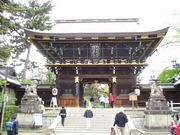
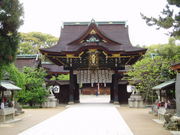
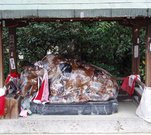
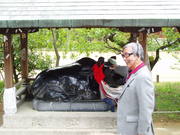
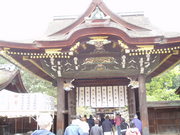
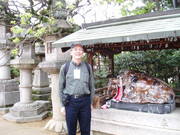
In Kyoto. It is dedicated to a famous scholar, and students often come here to ask for intercession with exams.
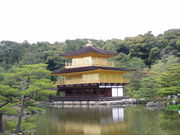
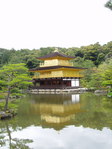
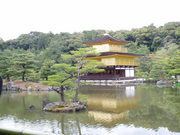
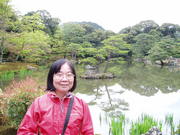
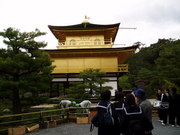
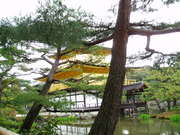
Formerly it was one of the Shoguns' pleasure house, but in his will he ordered it turned into a Buddhist temple after his death.
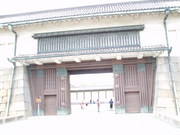
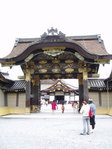
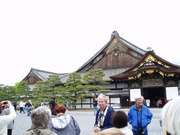
In Kyoto. Nijo literally means Second Street
, which is where it is. It used to be the Shogun's palace used when visiting the Emperor in Kyoto, but Emperor Meiji confiscated it and it became the Emperor's Detached Palace
. (Photography not allowed inside.)
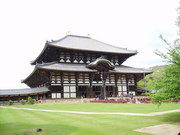
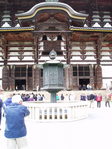
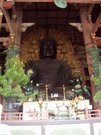
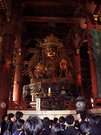
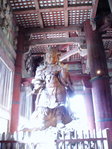
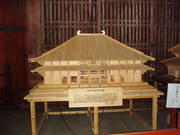
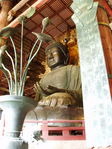
In Nara, the original capital about 60 Km outside Kyoto. Inside is the Daibatsu Buddha. It was cast in bronze in 739 CE, but was damaged and repaired several times when the containing building burned due to wars and other disasters.
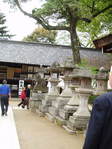
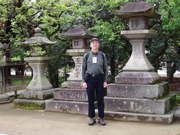
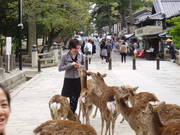
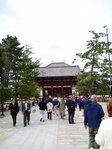
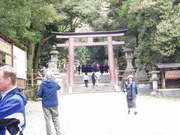
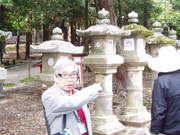
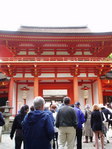
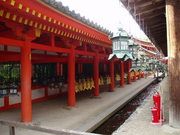
In Nara, the old capital. This temple is famous for having three thousand lanterns of stone and brass. On special occasions they are actually lit with candles by teams of high school students.